
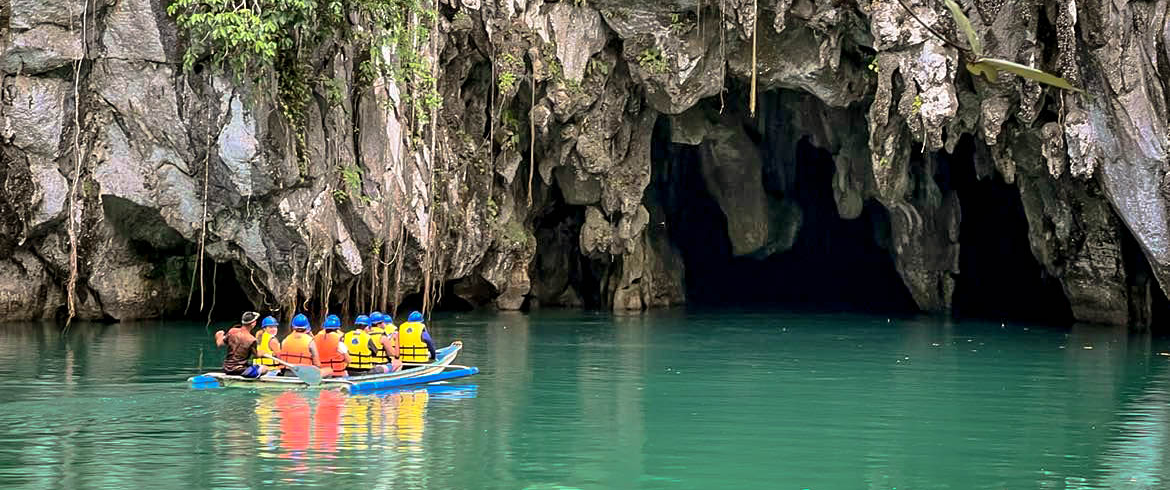

In a move that’s bound to raise eyebrows and perhaps even a few Geiger counters, Pangasinan Representative Mark Cojuangco has proposed a novel solution to both our energy and geopolitical problems: turning Pag-asa Island in the West Philippine Sea into a nuclear waste dumping site.
“Two Birds, One Island”
Why waste time arguing over who owns Pag-asa when you can just fill it with nuclear waste? Cojuangco, the chairman of the House special committee on nuclear energy, believes that storing radioactive materials on Pag-asa could not only stabilize the country’s power needs but also assert Philippine sovereignty in the disputed territory. Talk about killing two birds with one highly radioactive stone.
“The most stable geologic area in the Philippines is Palawan because it is part of the continental shelf. Pag-asa Island, for example, would make an ideal location both for interim storage and final disposition,” Cojuangco explained, presumably while trying not to glow in the dark.
Safety First, Sovereignty Second
Cojuangco assures the public that the risks are minimal, citing the high reliability and safety of modern nuclear technologies. “If you look at the history of nuclear power over the past 60 years, except for Chernobyl, there was no mortality in any nuclear accident. Meaning, it is the safest energy source compared to all, including wind and solar,” he said, deftly sidestepping the question of whether he would personally volunteer to live next to the storage facility.
According to the International Atomic Energy Agency, nuclear power plants are among “the safest and most secure facilities in the world,” a statement that would be more comforting if not for the occasional Chernobyl or Fukushima-sized hiccup.
Geopolitical Masterstroke
Strategically, this plan is brilliant. If there’s one thing that could potentially deter other nations from staking a claim on Pag-asa, it’s the prospect of dealing with nuclear waste. Nothing says “keep out” quite like a radioactive welcome mat.
By turning Pag-asa into a nuclear waste hub, the Philippines would not only solidify its claim but also create “economic activity,” although what kind of economy is driven by storing hazardous waste is anyone’s guess. Perhaps a booming trade in lead-lined swimwear and glow-in-the-dark souvenirs?
Local Reactions
Reactions to the proposal have been mixed, ranging from outright horror to bemused disbelief. Environmental groups are, predictably, up in arms, while some residents of Kalayaan are reportedly preparing to market the island as the world’s first radioactive tourist destination. “Come for the pristine beaches, stay because you now have an extra limb!” might be their new slogan.
The 123 Agreement
This proposal comes hot on the heels of the recently enforceable 123 Agreement between the Philippines and the United States, which will allow the country to import nuclear materials and equipment from the U.S. to build and operate power facilities utilizing the technology.
One can only imagine the conversations in the Pentagon right now: “So, the Filipinos want to dump their nuclear waste on a contested island. Should we be worried or impressed?”
While the practicality of this plan remains to be seen, one thing is clear: Rep. Cojuangco has certainly found a way to put Pag-asa Island on the map, even if it’s glowing. Whether this bold strategy will deter China or simply give it a reason to don hazmat suits remains to be seen.
In the meantime, perhaps we can look forward to the day when Pag-asa becomes the world’s most secure nuclear waste facility, and maybe, just maybe, the world’s least visited tourist spot.
Photo Credit Spratly Island, Kalayaan Tourism
