
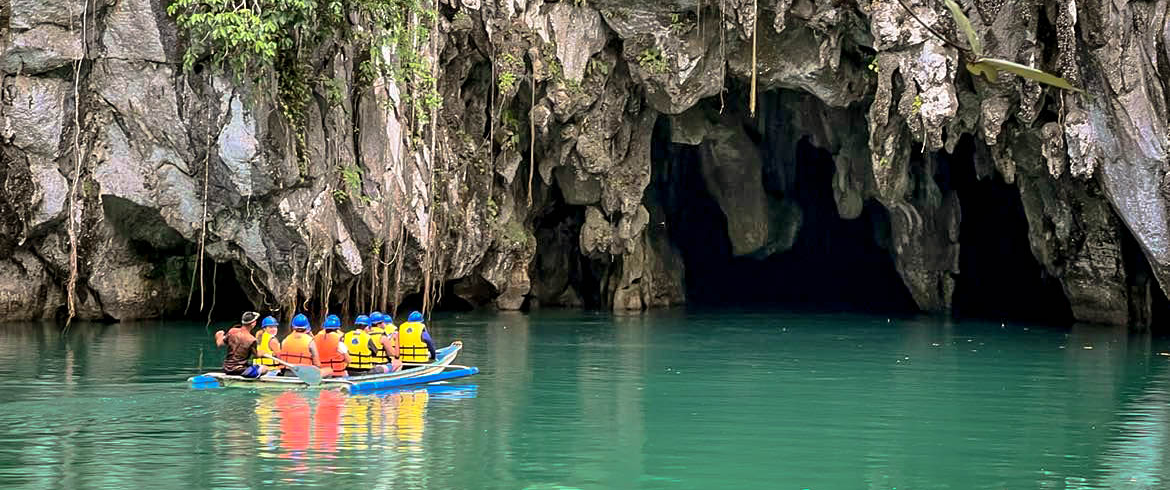

In a compelling call to action, the World Travel & Tourism Council (WTTC) is urging governments worldwide to prioritize the integration of biodiversity into the core of tourism strategies. Recognizing the intrinsic link between healthy ecosystems and thriving tourism industries, the WTTC outlines three key priorities for fostering Nature Positive Travel & Tourism. These priorities aim to reshape national tourism policies, incentivize conservation investments, and forge robust partnerships that benefit both local communities and the environment.

1. Updating National Tourism Policies
The WTTC emphasizes the necessity for governments to update national tourism policies to highlight biodiversity as a pivotal element for the sustainability and appeal of travel destinations. Biodiversity is not merely a backdrop for tourist activities; it is a cornerstone of the sector’s health and attractiveness. Policies need to reflect this by promoting practices that protect and enhance natural environments.
Tourism destinations rich in biodiversity often draw more visitors, who seek authentic, nature-based experiences. Therefore, integrating biodiversity conservation into tourism planning not only safeguards natural assets but also enhances the economic viability of the sector. Governments are encouraged to adopt frameworks that ensure tourism development does not come at the expense of ecological integrity but rather contributes to its preservation and restoration.

2. Incentivizing Investment in Local Conservation
To drive meaningful change, the WTTC calls for the development of policies that incentivize Travel & Tourism businesses to invest in local nature conservation efforts. Such policies could include tax breaks, grants, or subsidies for companies that actively support biodiversity projects and adhere to sustainable practices.
By investing in local conservation, tourism businesses can help protect the very ecosystems that attract tourists, ensuring the long-term viability of their operations. These investments can range from funding protected areas and supporting wildlife conservation projects to implementing sustainable resource management practices within their operations. Additionally, aligning business strategies with national biodiversity objectives can create a more resilient and competitive tourism sector.

3. Fostering Positive Partnerships
Creating synergies between businesses, destinations, local communities, and other sectors is crucial for achieving Nature Positive Travel & Tourism. The WTTC advocates for the formation of partnerships that promote collaboration and shared goals. These partnerships can drive collective action towards biodiversity conservation and sustainable tourism development.
Collaboration between tourism operators and local communities can lead to initiatives that benefit both parties, such as community-based tourism projects that provide economic opportunities while preserving cultural and natural heritage. Partnerships with environmental organizations and other sectors can also leverage additional expertise and resources, enhancing the impact of conservation efforts.
Such collaborative approaches ensure that the benefits of tourism are widely distributed, fostering goodwill and support for conservation initiatives among local populations. Moreover, these partnerships can serve as models of sustainable development, demonstrating how economic growth and environmental stewardship can go hand in hand.

Call to Action
The WTTC’s call to action highlights a clear and urgent need for governments to embrace Nature Positive Travel & Tourism. By updating national tourism policies, incentivizing investments in local conservation, and fostering positive partnerships, the travel and tourism sector can play a pivotal role in preserving biodiversity. This not only ensures the long-term sustainability of the industry but also contributes to the global effort to protect our planet’s precious natural resources.
Governments, businesses, and communities must work together to create a future where tourism supports, rather than depletes, the natural environments that make destinations unique and captivating. Through these concerted efforts, we can pave the way for a more sustainable and resilient tourism industry that benefits both people and the planet.
Photos by the World Travel & Tourism Council
