
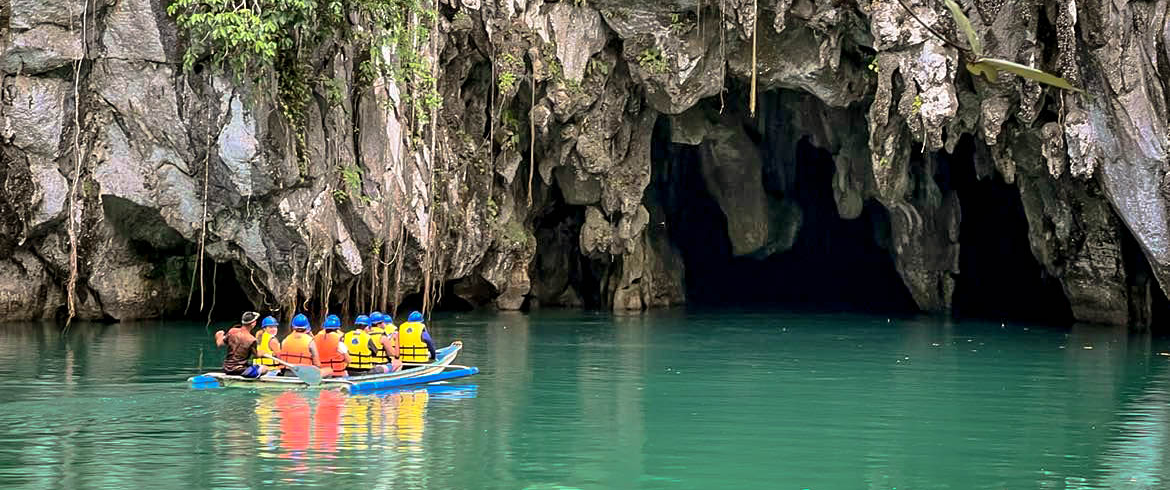

“Exploring the Real-Life Relevance of Atlantis in the Philippines’ Last Frontier”
Aquaman and the Lost Kingdom currently being shown in Puerto Princesa City: SM Movieworld and Robinsons Mall Cinemas.

In the realm of superheroes and cinematic marvels, Aquaman takes center stage in his upcoming adventure, “Aquaman and the Lost Kingdom.” While the film promises an epic underwater spectacle, it also brings attention to real-world issues, particularly the delicate balance between nature preservation and the breathtaking beauty of Palawan, known as the Philippines’ Last Frontier.

As fans eagerly anticipate the sequel to the 2018 blockbuster, it’s not just the superhero prowess and dazzling special effects that should capture their attention. Director James Wan and his team have subtly woven a narrative that draws parallels between the mythical city of Atlantis and the pristine ecosystems found in Palawan, highlighting the importance of preserving this ecological wonder.
Palawan, often lauded for its crystal-clear waters, vibrant coral reefs, and lush rainforests, serves as the perfect backdrop for Atlantis, the sunken city in Aquaman’s universe. The film’s portrayal of Atlantis as a hidden kingdom beneath the ocean mirrors the need to protect the hidden gems of Palawan from environmental threats and unchecked development.

The coral reefs, which are portrayed as majestic and awe-inspiring in the film, are a crucial component of Palawan’s marine biodiversity. In reality, these reefs face numerous challenges, from climate change-induced coral bleaching to overfishing. “Aquaman and the Lost Kingdom” subtly nudges audiences to consider the parallels between Atlantis’ struggle for survival and the real-world challenges faced by Palawan’s marine ecosystems.

Furthermore, the film sheds light on the importance of responsible tourism. As Aquaman navigates the stunning underwater landscapes, it becomes evident that human activities can have profound effects on the delicate balance of marine life. The call to action extends beyond the screen, urging viewers to be mindful of their ecological footprint when exploring the wonders of Palawan.
The lush rainforests of Palawan which can be likened to the mystical and teeming underwater life in the film, are not just cinematic fantasy. Palawan is home to diverse flora and fauna, including endemic species that are found nowhere else on Earth. “Aquaman and the Lost Kingdom” serves as a reminder that protecting these natural habitats is not just an environmental duty but a responsibility to preserve the unique biodiversity that defines Palawan.
In a world where the environment is increasingly under threat, the film takes a bold step by intertwining fiction with reality, encouraging audiences to contemplate the impact of their actions on the natural world. As the Lost Kingdom of Atlantis mirrors the hidden treasures of Palawan, both serve as reminders that preserving nature is not just a choice but a necessity for the well-being of our planet.
As the credits roll and the audience leaves the theater, “Aquaman and the Lost Kingdom” invites viewers to dive deeper into the real-life narrative unfolding in Palawan, inspiring a renewed appreciation for the Last Frontier and a commitment to safeguarding its natural wonders for generations to come.
