
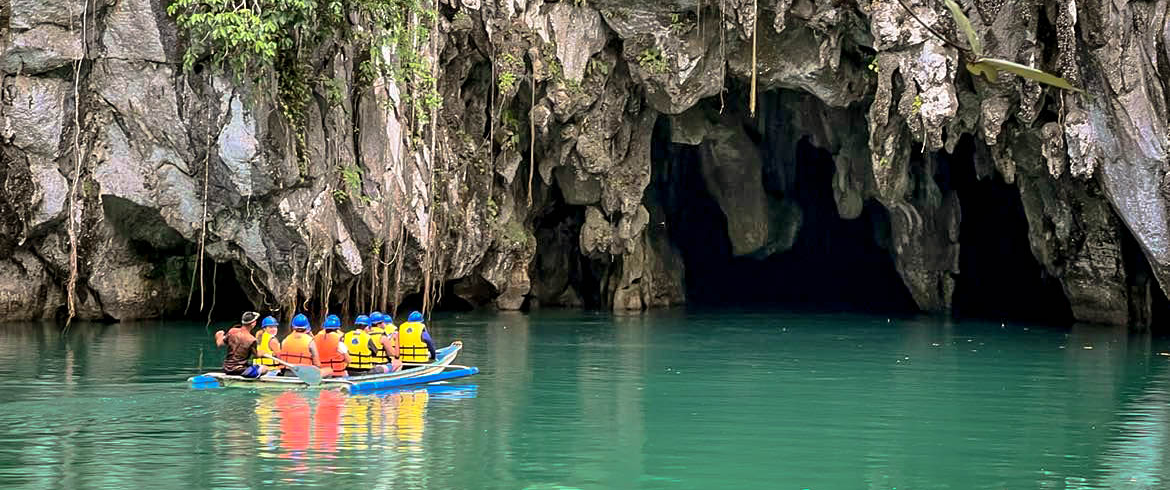

Palawan is an island with vast natural resources. In many ways, it has far more potential than most people seem to realize. Of course, we must look at expansion projects and ideas that will have the minimum impact on the natural environment but, there are still many ways to expand the productivity of the island without harming the environment. Economic goals don’t necessarily have to have a negative environmental impact.
When we think of opening a business in Palawan, the instinct is to participate in the tourism industry. This has been the case for many years, and one only needs to walk down almost any street in Puerto Princesa to see how much of the island’s economic production comes from service industry businesses. While it is in keeping with the “image” of the island, it ignores the basic concepts of macroeconomics as well as microeconomics. With some slight adjustments, Palawan could easily be one of the highest revenue producing regions of the country. Maybe its time we take a second look at what is best for the economic health of Palawan.
Before we go any further, I want to take a little time to clarify how macroeconomics and microeconomics should be the foundation of any approach to expanding or developing any industries. I’ll provide a brief explanation of each. I’m not assuming you aren’t informed but, I am aware that some readers my not be familiar with the concepts and we certainly do not want to leave anyone behind.
Macroeconomics
Macroeconomics is the study of the performance of an economy. Governments around the world use these principles to establish development goals for their nations. It primarily focuses on the following metrics:
- Changes in economic output.
- Inflation, interest and foreign exchange rates, and balance of payments.
- Poverty reduction, equity and sustainable growth are only achievable with sound monetary and fiscal policies.
At the national level we can look at the GDP or Gross Domestic Product of a country to determine growth or reduction of the economy. These same metrics can be applied to the island using data that is readily available.
Inflation can and should be addressed at every level. Therefore, its imperative that we can understand and generate ways to control the impact on the island. Foreign exchange rates will impact those companies who import or export, but it will not necessarily impact every sector.
Poverty reduction should be a goal at every level. Equity is necessary to fully develop the tax base. More people earning in the “middle class” bracket is a win for everyone. Sustainable growth is a key proponent of any business/industry.
In general, there are three major influencers on the previously mentioned metrics, they are:
- National Output
- Unemployment
- Inflation
Once again, these are easily measured at the level of the island and the data is already available to anyone interested in studying it.
Microeconomics
Microeconomics is the prediction of actions or “tendencies” of the individual responses to the following four areas:
- Change in incentives
- Prices
- Resources
- Methods of production
After we identify potential areas for improvement using the tenants of macroeconomics, we can look to the processes in microeconomics to identify what improvements will be most beneficial to the island. First, we must understand that this is a very isolated picture that we look at. This view must be restrained to the island itself and not in relation to any other regions in the country.
The three main factors we must consider are:
- Elasticity of Demand
- Marginal Utility and Demand
- Elasticity of Supply
Once we understand the likely responses to any changes, we can best anticipate what sectors, investments and growth opportunities will produce the best ROI (Return On Investment) for the island. The result will likely be a more balanced economy as well as a growing taxbase. The key is looking “beyond” the norm and seeing the reality we’re faced with today.
Elasticity of demand is no more than the difference in the high and low seasons of the tourism industry. In short, it’s the changes in volume of consumers purchasing due to easily anticipated and unexpected scenarios. One couldn’t have predicted the pandemic but, it certainly affected the demand of most non-essential products and activities.
Marginal utility refers to the usefulness of a product or service to the vast majority. While many of us may feel we can’t live without our cell phones, we would gladly spend our money on food stocks, if they were in short supply, instead of the latest phone by our preferred manufacturer.
Elasticity of supply simply means that people may change their purchasing habits based on a shortage of the product or anything that may be needed to enjoy the benefits of the product. Imagine, would you buy a new coffee pot if the stores couldn’t provide coffee filters with some degree of regularity? This may be one of the many reasons why sachets of 3 in 1 are so popular.
Now that we have established at least a basic level of understanding macro and microeconomic principles, we can take the next step to identify what businesses are most likely to have growth potential as well as a sustained benefit to the island. We can identify sectors for growth and investment that will help the entire island’s economy as well as our own as individuals.
Covid 19 taught us some very important lessons. And if you look at the results, we seem to have learned the lesson. The “Marginal Utility” of the Healthcare and Agricultural industries has created a massive opportunity for new businesses as well as investment opportunities.
Healthcare offers a wide range of possibilities that could be of great benefit to Palawan. Pharmaceutical manufacturing could be a new industry that could provide many jobs if the infrastructure can support the requirements. Health supplements are in high demand and will likely be so for the foreseeable future. Even gym memberships are an attractive product when most people are looking to improve their overall health. With the current availability at a relatively low level, the sky is the limit!
Almost anything related to agriculture and food production should be a great choice. Whether it be production of produce or livestock, food processing or any other activity that promotes food security should be a great business opportunity for anyone who isn’t shy to work! With the government’s focus on food security, limitations of the existing supply chain and the natural concerns held by the people of Palawan, a “home grown” source of food is an attractive option.
With the tourism industry on track for a painfully slow recovery and the lessons we have learned over the past few years, it is a great time to look for new ways to expand the economy in ways that will have the most impact here in Palawan. Often, when we look for economic opportunities, we look outward for inspiration. Those that have the insight to look inward will be well rewarded for their understanding of the concepts of microeconomic principles. Customers make businesses successful and the marginal utility of these two key industries almost guarantee success for those who have the drive and willingness to take the road less traveled.
This article is the opinion of the author. It is in no way intended to influence policies or focus of any entity, private or governmental. The sole intent of this writing is to inspire the people of Palawan to look to new ways of bolstering the local economy as well as benefit the Philippines as a whole.
Robert W. Meredith

The author is a resident of Puerto Princesa for seven years. He has a Bachelor of Science in Criminal Justice at the University of Maryland USA and a Retired Military Police Investigator of the United States Army. Currently he is a Speaker, Trainor, and Leadership Counselor and promotes eco-tourism practices focused on reduction of chemicals.
